



Whether you’re new to credit or seeking improvements, understanding how credit scores work can guide you to the best financial decisions. In this post, we’ll explore what credit score you need and offer tips to improve it, aligning with the right credit card options for you.
Understanding Credit Scores
What Is a Credit Score?
A credit score is a numerical expression based on a level analysis of a person’s credit files. It represents the creditworthiness of that individual. Lenders use credit scores to evaluate the potential risk posed by lending money to consumers.
Factors That Affect Your Credit Score
Several factors can impact your credit score. These include your payment history, the amount of debt you have, and the length of your credit history. It’s crucial to understand these factors to maintain or improve your score.
- Payment History: This is the most significant factor. Late or missed payments can drastically lower your credit score. Consistently paying your bills on time helps build a strong credit history.
- Debt Amount: Having a high level of debt can negatively affect your credit score. It’s essential to manage your debts and try to keep your credit card balances low.
- Length of Credit History: The longer you have had credit, the better. A lengthy credit history provides more data for scoring models, potentially boosting your score.
What Credit Score Do You Need for a Good Card?
Generally, a credit score of 670 to 739 is considered good. However, having a higher score increases your chances of being approved for premium credit cards. Scores above 740 are considered very good to excellent and can help you qualify for better interest rates and rewards.
The Impact of a Good Credit Score
A good credit score can significantly affect many areas of your financial life. For instance, credit card companies are more likely to approve your application if you have a high score. Typically, a score above 700 is considered good, while a score over 750 is excellent. This means you could qualify for credit cards with better rewards and lower interest rates.
Additionally, a high credit score can help you secure better loan terms. Lenders see you as a low-risk borrower, making them more likely to approve loans with lower interest rates. This can save you a significant amount of money over time. Moreover, employers and landlords sometimes check credit scores as part of their evaluation process.
A good score can enhance your chances of getting a job or renting an apartment. This is particularly crucial in competitive markets. Insurance premiums can also be affected by your credit score. Insurers often use credit-based insurance scores to determine risks, meaning a higher score could result in lower premiums.
A good credit score is essential for financial stability and accessing better financial products. Understanding and maintaining a high score can open doors to various opportunities, from loans to rental agreements, ensuring a smoother financial journey.
Choosing the Right Credit Card
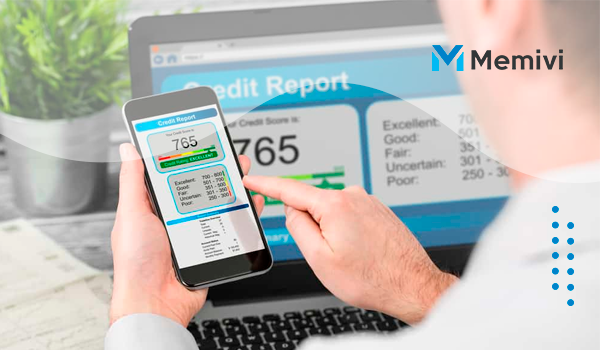
When considering which credit card to apply for, it’s essential to know your credit score. Different cards have various requirements, and your credit score plays a pivotal role.
Understanding Credit Scores: Credit scores typically range from 300 to 850. Higher scores indicate better creditworthiness. Generally, a score of 700 or above is considered good, while a score of 750 or higher is considered excellent. However, each lender has its own criteria.
The Impact of a Good Credit Score: A good credit score can open doors to more favorable credit card options. These may include lower interest rates, better rewards programs, and higher credit limits. It reflects your financial reliability and can make a significant difference in the benefits you receive.
Choosing the Right Credit Card: Look for cards that match your credit score. For those with excellent scores, many premium cards offer exclusive benefits like travel perks, cashback, or bonus points. If your score is in the fair to good range, consider cards that offer balance transfers or lower annual fees.
Different cards cater to different needs. Research thoroughly to find the one that aligns with your financial goals. Don’t just focus on rewards; consider factors like the interest rate, annual fees, and any potential penalties.
Tips to Improve Your Credit Score
Improving your credit score can widen your credit card options. Pay your bills on time, reduce your debt-to-income ratio, and avoid applying for multiple cards in a short period. Regularly reviewing your credit report can help you spot any errors and correct them promptly.
Monitor Your Credit Report Regularly
Reviewing your credit report helps you spot any errors or fraudulent activity. Regular checks can prevent issues that might lower your score.
Pay All Your Bills on Time
Payment history is crucial. Make sure to pay credit card bills, loans, and utilities on time to show reliability to lenders.
Keep Credit Card Balances Low
Try to keep your credit utilization rate below 30%. High balances can negatively affect your credit score.
Avoid Opening Multiple New Accounts
Opening several new credit accounts in a short period can lower your score. Be strategic and open new accounts only when necessary.
Manage Existing Debts Wisely
Paying down outstanding debt rather than moving it around is better for your credit score. Focus on reducing debt instead of increasing credit limits.
Don’t Close Old Credit Cards
Older accounts contribute to a longer credit history, which can improve your score. Keep them open even if you no longer use them often.

 Demystifying the UK’s ‘Great Wealth Transfer’: What It Means for Young People. <p class='sec-title' style='line-height: normal; font-weight: normal;font-size: 16px !important; text-align: left;margin-top: 8px;margin-bottom: 0px !important;'> Demystifying the UK's 'Great Wealth Transfer' reveals its impact on future generations. </p>
  Understanding Your UK Credit File: What’s on It and How to Fix Errors. <p class='sec-title' style='line-height: normal; font-weight: normal;font-size: 16px !important; text-align: left;margin-top: 8px;margin-bottom: 0px !important;'> Learning the ins and outs of a UK credit file will help you make informed financial decisions. </p>
  The UK’s Cost of Education: A Breakdown of School Fees and Saving for the Future. <p class='sec-title' style='line-height: normal; font-weight: normal;font-size: 16px !important; text-align: left;margin-top: 8px;margin-bottom: 0px !important;'> In this article, we will delve into various aspects of educational costs in the UK, offering insights into tuition, living expenses, and potential financial aid options. </p>