


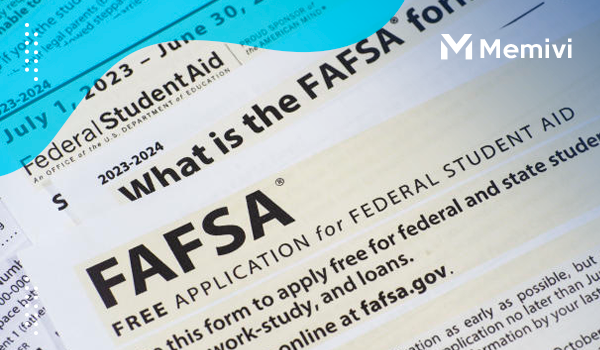
FAFSA plays an important role in the lives of students abroad by providing crucial financial support. This guide will help you understand how to apply, what challenges you might face, and tips to ensure a successful application. Let’s delve into the importance of FAFSA for international students.
Why FAFSA is Crucial for International Students
The Free Application for Federal Student Aid (FAFSA) is a key resource for international students seeking financial assistance for their education. It opens doors to various grants, loans, and work-study opportunities that can significantly reduce the financial burden of studying abroad.
One crucial aspect of FAFSA is how it determines the Expected Family Contribution (EFC). This figure is essential for assessing a student’s financial need and eligibility for different aid programs. Without FAFSA, international students might find it challenging to demonstrate their financial situation to potential colleges and universities.
Moreover, FAFSA data helps schools offer targeted financial aid packages tailored to each student’s needs. This is particularly important for international students who may not have access to other forms of financial support. FAFSA can provide a clearer picture of the total cost of attendance and the aid available, making it easier for international students to plan their finances accordingly.
In addition, understanding and completing the FAFSA application process helps students become more financially literate. They learn about different types of financial aid, budgeting, and managing their educational expenses. This knowledge is invaluable not only during their time in school but also as they move forward into their careers.
Understanding the FAFSA Application Process
The Free Application for Federal Student Aid (FAFSA) is essential for students seeking financial aid for college, especially for those studying abroad. The process involves several steps, starting with gathering necessary documents like tax returns and bank statements. You’ll need to create an FSA ID, which is used to log in and sign your FAFSA form electronically.
Next, fill in detailed information about your financial situation. This includes providing details about your income, assets, and the number of household members attending college. The FAFSA form uses this data to determine your eligibility for various financial aid programs such as Pell Grants, federal student loans, and work-study opportunities.
After submitting your form, it will be processed by the Department of Education. You’ll receive a Student Aid Report (SAR) which summarizes the information you provided. Review this report carefully to ensure all details are correct.
Understanding key deadlines is crucial. Missing the FAFSA submission deadline can jeopardize your financial aid prospects. Some states and colleges have priority deadlines, so submitting your application as early as possible is beneficial.
Lastly, once your application has been reviewed, your school will prepare a financial aid package. This will include the types and amounts of aid for which you qualify. Make sure to consult with your school’s financial aid office for any questions or clarifications you might need.
Common Challenges Faced by Students Abroad

One of the biggest challenges faced by students abroad is financial instability. Many international students struggle to gather enough funds to cover their tuition, accommodation, and day-to-day expenses. The cost of living in a foreign country can be significantly higher than expected, and unexpected expenses can quickly deplete their budget.
Another major hurdle is adjusting to a new educational system. Different countries have different academic standards and expectations, which can make it difficult for students to adapt. They may also encounter language barriers that complicate their understanding of coursework and participation in classes.
Homesickness and cultural shock are also common issues. Being away from family and friends for extended periods can take an emotional toll on international students. They might struggle to integrate into the local culture and find themselves feeling isolated. This can affect their mental health and academic performance.
Additionally, navigating the complex visa and residency regulations is a significant challenge. Students must ensure they comply with all legal requirements to avoid jeopardizing their stay abroad. This includes keeping track of visa expiration dates, maintaining full-time student status, and understanding work restrictions.
Lastly, students often face difficulties in accessing local support services that can assist with accommodation, health care, and academic advising. The lack of a familiar support system can exacerbate stress and make it harder for students to find the help they need.
Top Tips for Successfully Applying for FAFSA
- Start Early: Begin your FAFSA application as soon as possible. Submitting early increases your chances of receiving aid, as some funds are distributed on a first-come, first-served basis.
- Gather Necessary Documents: Before you start, have your Social Security Number, tax returns, and bank statements ready. Having these documents on hand will speed up the application process.
- Enter Information Carefully: Ensure that all information entered is accurate. Any errors can delay processing or result in the need to correct and resubmit your application.
- Use Your Legal Name: Always use your full legal name as it appears on your Social Security card or birth certificate. Using nicknames or abbreviations can result in processing delays.
- Don’t Skip the Tax Info: The FAFSA application will ask for tax information. Use the IRS Data Retrieval Tool (DRT) to import your tax data directly, reducing errors and simplifying the process.
- Stay Informed About Deadlines: Each state and college may have different deadlines for financial aid. Keep track of these dates and ensure you submit your FAFSA on time.
- Seek Help When Needed: If you’re unsure about any part of the application, don’t hesitate to seek help from financial aid advisors. Many schools offer FAFSA workshops or one-on-one assistance.
- Review for Accuracy: Before submitting, double-check your entire application to ensure there are no mistakes. Correct any errors immediately to avoid delays.
- Submit and Save Confirmation: After submitting your FAFSA, save a copy of your confirmation page and any related emails for your records. This ensures you have proof of submission in case any issues arise.
- Follow Up: After submission, regularly check your email and student aid account for updates or requests for additional information. Prompt responses keep the process moving smoothly.

 Demystifying the UK’s ‘Great Wealth Transfer’: What It Means for Young People. <p class='sec-title' style='line-height: normal; font-weight: normal;font-size: 16px !important; text-align: left;margin-top: 8px;margin-bottom: 0px !important;'> Demystifying the UK's 'Great Wealth Transfer' reveals its impact on future generations. </p>
  Understanding Your UK Credit File: What’s on It and How to Fix Errors. <p class='sec-title' style='line-height: normal; font-weight: normal;font-size: 16px !important; text-align: left;margin-top: 8px;margin-bottom: 0px !important;'> Learning the ins and outs of a UK credit file will help you make informed financial decisions. </p>
  The UK’s Cost of Education: A Breakdown of School Fees and Saving for the Future. <p class='sec-title' style='line-height: normal; font-weight: normal;font-size: 16px !important; text-align: left;margin-top: 8px;margin-bottom: 0px !important;'> In this article, we will delve into various aspects of educational costs in the UK, offering insights into tuition, living expenses, and potential financial aid options. </p>