


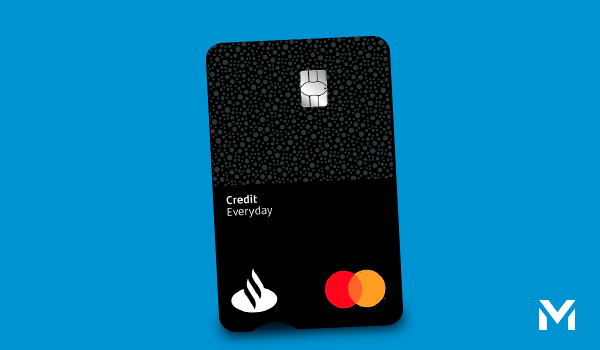
The Santander Everyday Long Term Balance Transfer Credit Card has gained traction among UK consumers seeking relief from high-interest credit card debt. With a headline offer of 0% interest on balance transfers for up to 31 months, it’s positioned as one of the longest no-interest periods currently available on the UK market.
But how does it truly compare to other leading options like Barclaycard, Virgin Money, or MBNA? And is it still worth it in 2025?
How the Santander Everyday Card Works
This card allows users to transfer existing credit card balances and pay 0% interest for an extended period—ideal for those aiming to consolidate and reduce debt.
Key Features:
- 0% interest on balance transfers for up to 31 months
- No monthly or annual fees
- Balance transfer fee: 3% (minimum £5)
- 0% on purchases for 3 months
Eligibility typically requires a good credit score, and acceptance is subject to Santander’s credit check criteria.
Comparison: Santander vs Competitors
| Feature | Santander Everyday | Barclaycard Platinum | Virgin Money Balance Plus |
| 0% Balance Transfer Duration | Up to 31 months | Up to 20 months | Up to 18 months |
| Balance Transfer Fee | 3% | 2.9% | 3% |
| Annual Fee | £0 | £0 | £0 |
| 0% on Purchases | 3 months | 0 months | 3 months |
Insight: Santander edges ahead on the duration, but Barclaycard offers slightly better fees. Virgin’s offer is less competitive overall.
Real-Life Scenarios: When This Card Makes Sense
Case 1: Lisa, 34, from Manchester
Lisa had £3,200 on a store card charging 24.9% APR. She transferred her balance to the Santander Everyday Card. Over months, she saved more than £1,150 in interest and paid off the debt in full without stress.
Case 2: James, a freelance designer
James used the card to balance transfer from two smaller cards with high interest. The 0% window allowed him to clear over £5,000 of debt before the promotional period ended.
Value for Money: Is It Worth It?
From a cost-benefit perspective, the Santander Everyday Card is an excellent short-term financial tool—especially for those disciplined enough to pay off balances within the promotional window.
However, it’s important to consider:
- The 3% transfer fee can be hefty for large balances.
- After 21 months, interest rates jump to the standard variable APR (currently ~23.9%), which can erode your gains if balances remain.
Should You Apply?
If your primary goal is debt consolidation and you have a solid repayment plan, this card remains one of the top options in the UK for 2025. Just make sure to:
- Calculate the cost of the transfer fee vs. interest savings
- Set up a repayment strategy
- Avoid using it for purchases unless absolutely necessary
Pro Tip: Use a balance transfer calculator to see your real savings. Many users forget to factor in the transfer fee—and that can skew your decision.
Continue to Page 2 to see:
- Real usage strategies and tricks to avoid hidden fees
- FAQ with advanced questions about credit scoring, soft checks, and promotional periods
- Alternatives for poor credit or those declined by Santander

 How to Maximise the Value of the M&S Transfer Plus Mastercard <p class='sec-title' style='line-height: normal; font-weight: normal;font-size: 16px !important; text-align: left;margin-top: 8px;margin-bottom: 0px !important;'> Learn how to genuinely use this balance transfer credit card to cut interest costs while squeezing as much value out of it as possible. </p>
  Deep Dive Into the Amazon Barclaycard Visa: Real Value or Just a Niche Perk? <p class='sec-title' style='line-height: normal; font-weight: normal;font-size: 16px !important; text-align: left;margin-top: 8px;margin-bottom: 0px !important;'> An in-depth guide to maximizing this Amazon-branded credit card and how it compares in real-world usage. </p>
  Advanced Guide to the Fluid Credit Card: Maximising Your 0% Balance Transfer Window <p class='sec-title' style='line-height: normal; font-weight: normal;font-size: 16px !important; text-align: left;margin-top: 8px;margin-bottom: 0px !important;'> A comprehensive look at how to use the Fluid Card effectively, avoid costly mistakes, and evaluate smarter alternatives for UK consumers. </p>