



Step-by-Step Guide: Using the M&S Transfer Plus Mastercard Effectively
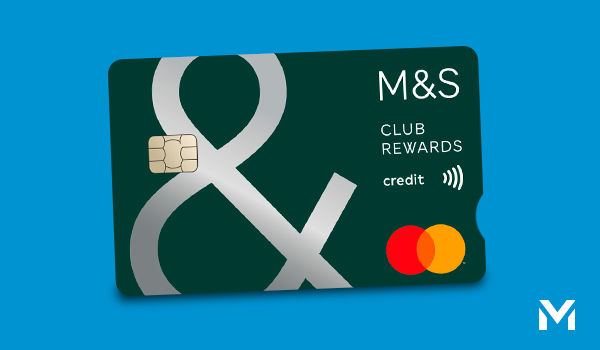
1. Check Your Eligibility Without Damaging Your Score: Before jumping in, use M&S Bank’s eligibility checker. It uses a soft search, so your score stays untouched. Try not to apply for multiple cards in a short space of time because lenders may see that as risk and it can hurt your approval chances.
2. Apply Strategically With a Purpose: This isn’t a card to get “just because.” It really shines when you’re moving debt from a high-interest card and want breathing room to repay it. If you’re not transferring a balance, its main advantage loses relevance.
In short, treat it like a financial tool, not a shopping free-for-all.
3. Initiate Balance Transfer Within 90 Days: You’ve got 90 days from account approval to move your balances and unlock the 0% period. The clock doesn’t wait for you to activate the card—it starts immediately once approved.
4. Understand the Balance Transfer Fee
You’ll pay 3.49% of whatever you transfer (minimum £5). So a £2,000 transfer costs £69.80. Not the cheapest fee in the market, but compared to months of high interest, it can still work out massively cheaper.
5. Avoid New Purchases Unless Within 3 Months: You do get 0% on purchases for the first 3 months, but after that normal APR kicks in. If your goal is debt repayment, don’t rack up new balances unnecessarily.
6. Repay Monthly, On Time, In Full (or More Than Minimum): Missed payments can kill your promo offer and damage your credit score. Set up direct debit for peace of mind. Paying more than the minimum speeds up clearing the balance significantly.
7. Pay Off the Entire Balance Before the 0% Period Ends: Whatever remains after the promo period jumps to around 23.9% variable APR. Plan your repayment timeline carefully and pace yourself so the debt disappears before interest returns.
Insider Tips to Maximise Loyalty Points and APR Savings
- Use it for M&S spending only if you’re still in the purchase promo period and can repay in full.
- Pair it with M&S Sparks offers to boost reward value.
- After 12–18 months, check if fresh balance transfer deals are available.
- Keep your credit utilisation under 30% to protect your score.
- Never use it for cash withdrawals—interest starts instantly and it’s rarely worth it.
These little optimisations help stretch every bit of value out of the card while keeping costs in check.
10 FAQ: What Most People Don’t Ask (But Should)
1. Will I lose my 0% offer if I miss one payment?
Yes—one missed payment can remove your promo rate and trigger penalties.
2. Can I transfer balances from multiple cards?
Yes, as long as it fits within your approved credit limit.
3. Can I use this card to pay off a loan?
No, only credit card balances are eligible.
4. How does this affect my credit score?
You may see a small dip at first, but smart use generally improves it over time.
5. Does it support transfers from store cards?
Usually yes, but check specific store card eligibility.
6. Can I request a credit limit increase later?
Yes, with good usage history M&S may approve it.
7. What happens after the 30-month period?
Any unpaid balance starts accruing interest at the normal APR—plan ahead.
8. Is this card good for everyday spending?
Not really. After promos end, purchase APR is high and rewards are modest.
9. How is this different from a low APR card?
This gives a time-limited 0% period; low APR cards offer lower long-term interest but rarely 0%.
10. Can I cancel once the balance is paid?
Yes, though keeping it open (with zero balance) may benefit your utilisation ratio.
Alternatives Worth Comparing
| Card Name | 0% Transfer Duration | Transfer Fee | Loyalty/Cashback |
| Barclaycard Platinum | Up to 29 months | 3.45% | None |
| Sainsbury’s Balance | Up to 27 months | 2.88% | Nectar Points |
| Virgin Money BT Card | Up to 28 months | 2.9% | Virgin Red |
If M&S rewards don’t matter to you or you want slightly lower fees, Sainsbury’s or Virgin Money may suit better. If you want long-term reliability and big-name trust, Barclaycard remains a strong rival.
How to Maximise Value Over Time
Track your promo end date, don’t carry balances for too long, use budgeting tools to stay disciplined, and once you clear the debt, reassess whether a cashback or broader rewards card makes more sense. Avoid constant new transfers mid-term; they only complicate repayment planning.
Who This Card Is Really For
This card is ideal for UK borrowers holding around £1,000–£5,000 in debt who want structure, time, and a realistic pathway to becoming debt-free within about two years. Yes, the transfer fee is slightly above average and rewards are M&S-centric, but if you already shop there and want to save serious interest, it’s a powerful tool.
For anyone prioritizing consolidation with a trusted UK bank, plus the bonus of store rewards on the side, the M&S Transfer Plus Mastercard deserves a firm place on your shortlist.

 Deep Dive Into the Amazon Barclaycard Visa: Real Value or Just a Niche Perk? <p class='sec-title' style='line-height: normal; font-weight: normal;font-size: 16px !important; text-align: left;margin-top: 8px;margin-bottom: 0px !important;'> An in-depth guide to maximizing this Amazon-branded credit card and how it compares in real-world usage. </p>
  Advanced Guide to the Fluid Credit Card: Maximising Your 0% Balance Transfer Window <p class='sec-title' style='line-height: normal; font-weight: normal;font-size: 16px !important; text-align: left;margin-top: 8px;margin-bottom: 0px !important;'> A comprehensive look at how to use the Fluid Card effectively, avoid costly mistakes, and evaluate smarter alternatives for UK consumers. </p>
 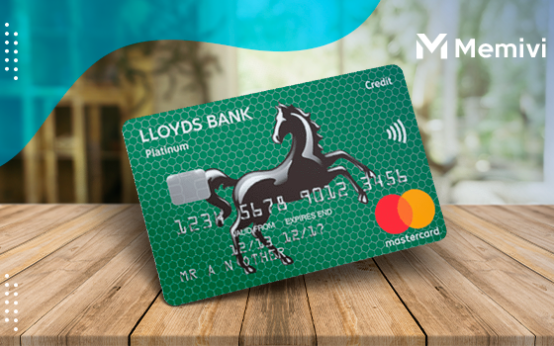 Maximising Value with the Lloyds Ultra Credit Card: A Practical Usage Guide <p class='sec-title' style='line-height: normal; font-weight: normal;font-size: 16px !important; text-align: left;margin-top: 8px;margin-bottom: 0px !important;'> This long-term cashback credit card is built for people who want straightforward rewards, global fee-free spending, and a product they can keep for years without paying an annual fee. </p>