


Step-by-Step Guide to Using the Fluid Credit Card
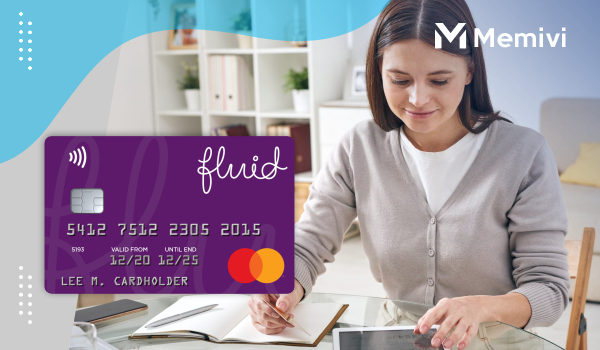
The Fluid Credit Card can be powerful for short-term debt relief—if used properly. Below is a practical guide for optimising every stage of its lifecycle.
Check Eligibility Without Impacting Your Score
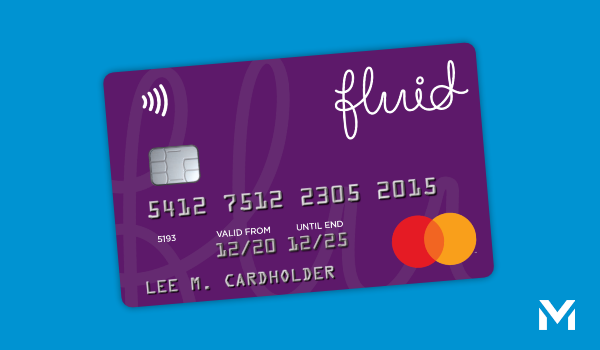
Use the Fluid website’s soft check tool to estimate your approval odds. This won’t impact your credit score and can save you from a rejected application, which could lower your rating. A soft search is a small but valuable first step because it gives you clarity without consequences. Instead of guessing whether you qualify, you get instant guidance that helps you avoid unnecessary applications. Many borrowers skip this step and waste opportunities, but a quick soft check sets the tone for responsible borrowing.
Pro tip: A credit utilisation ratio below 30% will improve your chances of a higher credit limit and better long-term approval scores. Keeping your utilisation low signals to lenders that you’re managing credit sensibly, which increases your odds of receiving stronger offers in the future. It’s a quiet but powerful factor that influences not just your limit on Fluid, but how other lenders evaluate you down the road.
Apply Only When Ready to Transfer
Since the 0% APR period begins immediately upon approval, it’s important to be ready to transfer your existing debt within the first 60 days. Missing that window negates the main benefit of the card.
Limit New Purchases
Although the card can be used for regular spending, any purchases outside the balance transfer will accumulate interest at the standard APR (currently 34.94% variable). This can sabotage your plan to get out of debt.
Set a Payment Strategy
Break down your transferred balance into monthly payments to clear it within the promo period. For example, a £1,800 balance over 9 months requires £200/month plus the transfer fee upfront.
Monitor Your Credit Score
As your balance decreases and on-time payments build, your credit score can improve. This opens up better financial opportunities later, such as switching to cards with longer 0% terms or reward schemes.
Frequently Asked Questions
What credit score do I need to qualify?
Generally, a fair to good score (580–720) improves your approval chances. Those with recent defaults or CCJs may struggle to qualify.
Can I transfer multiple balances from different cards?
Yes. As long as it’s within your approved credit limit, you can consolidate several debts. This is useful if you’re juggling 2–3 cards with different providers.
Is there a grace period for new purchases?
No. Purchases incur interest immediately unless you pay them off in full each month. This card is not ideal for interest-free shopping.
How does the 3% balance transfer fee work?
A 3% fee is charged on the amount you move over. For a £1,500 transfer, that’s £45. It’s applied once and added to your balance.
Can I get a credit limit increase?
Yes, after several months of consistent on-time payments and low utilisation. Increases aren’t guaranteed and are subject to affordability checks.
Does the Fluid Card offer rewards?
No. This card is not designed for cashback or points—it’s focused entirely on debt management through balance transfers.
Hidden Hacks to Maximise Value
Use it as a Temporary Bridge
If you’re expecting a bonus or windfall in the next few months, the Fluid Card offers a way to delay interest while maintaining minimum payments. This flexibility can provide critical breathing room during tight periods.
Pair with a Budgeting App
Combining the Fluid Card with apps like Emma, Yolt, or Snoop can help manage your repayments efficiently by tracking income, expenses, and savings goals linked to your debt repayment timeline.
Pay More Than the Minimum
Minimum payments barely touch the principal balance. Always aim to pay 3–5x the minimum to actually reduce the debt before the interest-free period expires.
Use Statements as Credit-Building Evidence
Some mortgage brokers and lenders accept statements from “well-managed” credit cards like Fluid as evidence of responsible borrowing. This can help in applications for rental properties or even small loans.
Alternatives Worth Considering
If the Fluid Card doesn’t fully match your needs, here are three UK alternatives with different strengths.
| Card Name | Balance Transfer Period | Transfer Fee | Ideal For |
| Barclaycard Platinum | Up to 24 months (0% APR) | 2.99% | Long-term planners |
| MBNA Balance Transfer | Up to 22 months (0% APR) | 2.75% | Moderate credit holders |
| Virgin Money All Round | 18 months (0% on purchases and transfers) | 2.89% | Dual-purpose usage (buy + transfer) |
These cards usually require better credit scores than Fluid but may offer longer windows and slightly lower fees. Always compare based on your credit profile and repayment plan.
How to Maximise Long-Term Value
Pay off your balance before the APR kicks in: That 34.94% rate can quickly undo all your savings if you’re not disciplined.
Avoid new purchases: These confuse the repayment process and cost more than you think.
Set calendar reminders: Month 9 is when the APR increases. Consider switching cards at this point.
Monitor introductory offers: Some issuers re-target previous customers with new balance transfer promos. It’s worth checking again after 12–18 months.
The Fluid Credit Card is not for everyone. But for a specific group of UK consumers—those with fair credit scores, short-term debt pressure, and the discipline to repay within 9 months—it is one of the more accessible tools for balance transfer without requiring excellent credit.
If you’re looking for a no-frills, no-rewards credit card that simply buys you time, Fluid may be a smart move. The key is knowing when to stop using it and when to switch—ideally before the high APR becomes active.
For those who can plan a debt exit strategy, Fluid is a financial bridge. For those who treat it like free money, it becomes a trap.

 How to Maximise the Value of the M&S Transfer Plus Mastercard <p class='sec-title' style='line-height: normal; font-weight: normal;font-size: 16px !important; text-align: left;margin-top: 8px;margin-bottom: 0px !important;'> Learn how to genuinely use this balance transfer credit card to cut interest costs while squeezing as much value out of it as possible. </p>
  Deep Dive Into the Amazon Barclaycard Visa: Real Value or Just a Niche Perk? <p class='sec-title' style='line-height: normal; font-weight: normal;font-size: 16px !important; text-align: left;margin-top: 8px;margin-bottom: 0px !important;'> An in-depth guide to maximizing this Amazon-branded credit card and how it compares in real-world usage. </p>
 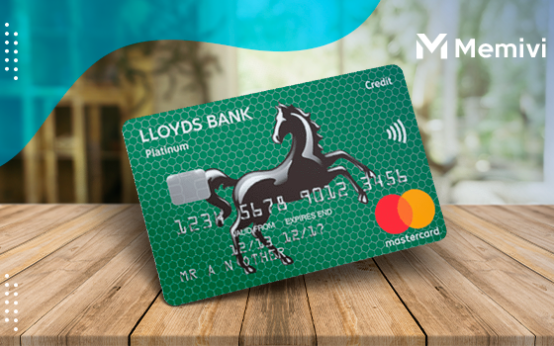 Maximising Value with the Lloyds Ultra Credit Card: A Practical Usage Guide <p class='sec-title' style='line-height: normal; font-weight: normal;font-size: 16px !important; text-align: left;margin-top: 8px;margin-bottom: 0px !important;'> This long-term cashback credit card is built for people who want straightforward rewards, global fee-free spending, and a product they can keep for years without paying an annual fee. </p>