


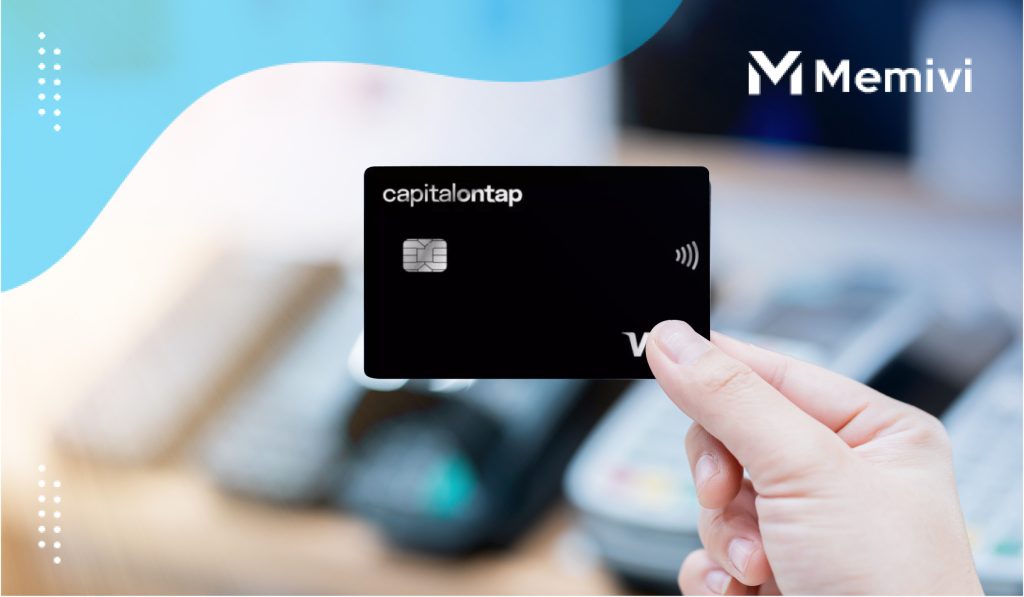
Step-by-Step Guide: How to Use Your Capital on Tap Business Credit Card
Whether you’re a sole trader or a limited company, using the Capital on Tap card properly can unlock serious financial leverage. Here’s how to get the most out of it:
- Apply Online in Under 5 Minutes: Provide your business name, Companies House number (if applicable), turnover, and basic contact details.
- Receive Instant Approval Decision: Most applicants get a decision within 2 minutes. Approval is based on business turnover and creditworthiness—not just personal score.
- Activate Virtual Card Immediately: Start spending online or through your digital wallet while waiting for the physical card to arrive.
- Set Employee Cards and Limits: Issue free employee cards and assign limits per user via the dashboard.
- Track and Categorise Spending: All transactions are logged in real time with customisable labels and reports.
- Repay Flexibly: Either pay in full each month or revolve the balance. Interest applies only on unpaid balances, starting at representative 29.9% APR (variable).
Business Scenarios: When Capital on Tap Makes a Difference
- Seasonal Businesses: Retailers or travel firms with high Q4 activity can stock up without draining cash, then repay during slower months.
- High Ad Spend Companies: Digital agencies using Google Ads or Meta platforms gain cashback and more runway by putting campaigns on credit.
- Professional Services: Accountants and consultants with variable client billing cycles use the card to bridge delayed receivables.
FAQs Most Business Owners Never Think to Ask
Will using this card impact my business credit score?
Yes, Capital on Tap reports to commercial credit bureaus. Consistent on-time payments can build your business credit profile.
Is the credit limit based on revenue or profit?
Primarily on annual turnover, though factors like business structure and industry also influence the amount offered.
Can I connect Capital on Tap with accounting software?
Yes. It integrates with Xero, QuickBooks, and FreeAgent for seamless expense reconciliation.
What happens if I miss a payment?
You’ll incur interest on the outstanding balance and may face account restrictions. However, there’s a grace period and flexible repayment settings.
Underrated Tips to Maximise Value
- Stack Cashback with Discounts: Use the card for services like AWS, Notion, or HubSpot, and combine cashback with vendor partner offers for up to 15% effective savings.
- Set Alerts Based on Spend Categories: Configure SMS or app notifications when marketing, travel, or supplies exceed monthly targets.
- Schedule Weekly Micro-Payments: Instead of waiting for a full repayment cycle, schedule weekly payments to improve cash flow forecasting and reduce interest risk.
- Negotiate Vendor Terms Using Credit Buffer: Suppliers may offer early payment discounts. Use your credit card to pay them early, then repay Capital on Tap later.
- Monitor Credit Utilisation: Keep usage under 30% of your available limit to improve your business credit score over time.
When Not to Use Capital on Tap
- For long-term financing needs: A credit card isn’t a replacement for a business loan. For capital investments or equipment purchases, consider asset-based lending.
- If your business is consistently in overdraft: Revolving high balances can lead to compounding interest. A working capital facility or restructuring may be more appropriate.
- When employee misuse risk is high: Although employee cards can be limited, small businesses with minimal oversight should monitor usage closely.
Alternatives and Complementary Tools
| Provider / Tool | Best For | Key Limitation |
| American Express Gold | Travel rewards and perks | £175 annual fee after year 1 |
| Soldo | Prepaid expense management | No revolving credit |
| Barclaycard Select | Simple business purchases | Must have a Barclays account |
| Tide Expense Card | Easy spend control for teams | No cashback or credit facility |
| Funding Circle FlexiPay | Large invoices or supplier finance | Approval process can be longer |
Each of these tools has specific advantages, but none offer the same blend of flexibility, cashback, and no annual fees that Capital on Tap does for everyday spending.
How to Maximise Rewards Without Paying Interest
The cashback model is straightforward, but only valuable if managed smartly:
- Pay in full each month: To extract the maximum benefit from the 1% cashback, avoid carrying a balance whenever possible.
- Use for high-volume, low-margin expenses: Think digital ad campaigns, SaaS subscriptions, monthly retainer fees.
- Issue employee cards, set low limits: Helps accumulate cashback without risk of uncontrolled spending.
- Avoid cash withdrawals: No cashback applies, and interest starts immediately.
Strategic Insight: Why Capital on Tap Wins for UK SMEs
In the UK’s crowded credit space, Capital on Tap isn’t the flashiest brand. It doesn’t offer lounge access or 5x points on flights—but that’s not what most small businesses need.
What it does offer is rare: a business-focused credit line that delivers speed, transparency, and control without excessive red tape or hidden costs.
Their decision engine, which evaluates business turnover, trading history, and optional open banking data, allows quicker approvals than most legacy banks. For startups or firms under 3 years old, that can make all the difference.
Plus, they’ve aligned well with digital business habits—instant virtual cards, spend categorisation, real-time alerts, and software integration come standard.
Is Capital on Tap Right for Your Business?
If your business operates in the UK and earns over £24,000 annually, Capital on Tap is a strong contender for your primary spending card. It shines for companies that:
- Prioritise simplicity over complex travel perks
- Want cashback without restrictions
- Need quick access to revolving credit
- Prefer app-based account management
However, if your company earns substantial travel rewards or values concierge perks, cards like Amex Business Platinum might deliver more in the long run—at a cost.
But for 9 out of 10 UK-based SMEs looking to optimise cash flow, monitor expenses, and earn while spending, Capital on Tap delivers outstanding practical value.

 How to Maximise the Value of the M&S Transfer Plus Mastercard <p class='sec-title' style='line-height: normal; font-weight: normal;font-size: 16px !important; text-align: left;margin-top: 8px;margin-bottom: 0px !important;'> Learn how to genuinely use this balance transfer credit card to cut interest costs while squeezing as much value out of it as possible. </p>
 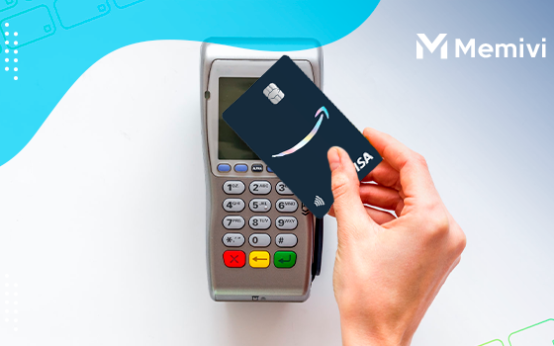 Deep Dive Into the Amazon Barclaycard Visa: Real Value or Just a Niche Perk? <p class='sec-title' style='line-height: normal; font-weight: normal;font-size: 16px !important; text-align: left;margin-top: 8px;margin-bottom: 0px !important;'> An in-depth guide to maximizing this Amazon-branded credit card and how it compares in real-world usage. </p>
  Advanced Guide to the Fluid Credit Card: Maximising Your 0% Balance Transfer Window <p class='sec-title' style='line-height: normal; font-weight: normal;font-size: 16px !important; text-align: left;margin-top: 8px;margin-bottom: 0px !important;'> A comprehensive look at how to use the Fluid Card effectively, avoid costly mistakes, and evaluate smarter alternatives for UK consumers. </p>