


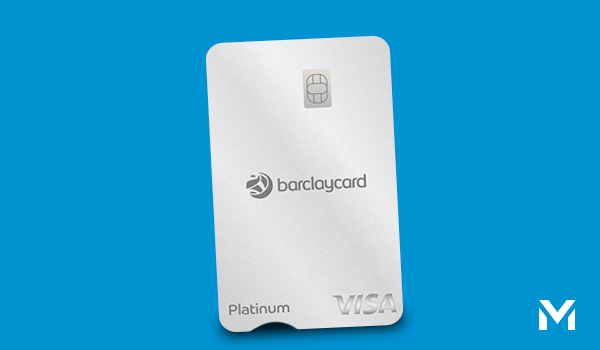
What Is a Balance Transfer Credit Card?
A balance transfer credit card lets you shift debt from one or more existing cards onto a new one, usually with a promotional 0% interest period. This window acts almost like a reset button — instead of watching interest chip away at your monthly payments, everything you repay goes directly toward reducing the balance. If you’ve ever felt like you’re paying and paying but the number barely moves, this is the tool designed for exactly that situation.
In the UK, well-known providers such as Barclaycard, MBNA, Virgin Money and Halifax compete quite aggressively in this space. Depending on your credit profile, you can often be offered between 12 and 34 months of interest-free breathing room. The higher the score, the better the terms usually are — but even mid-range credit applicants still have solid options.
Why UK Consumers Choose Balance Transfer Cards
0% Interest Introductory Periods: The biggest draw is obvious: no interest for a fixed period. When you don’t have interest piling on, it’s much easier to make meaningful progress. Many people use this time not just to “manage” debt, but actually to get ahead of it.
Debt Consolidation: Balancing several cards, each with its own repayment date, can be stressful. A balance transfer card pulls everything into one manageable place. One card, one balance, one payment — which makes budgeting simpler and less chaotic.
Lower Overall Costs: Even when the card charges a transfer fee (typically 1.5% to 3.5%), it usually works out far cheaper than leaving a large balance sitting on a high APR. It’s a small cost upfront that can translate into hundreds of pounds saved over a year or two.
Protecting Your Credit Health: When used sensibly, these products can indirectly support your credit score too. Reducing utilisation, sticking to a clear repayment plan, and demonstrating responsible management all show lenders that you’re refining your financial position rather than slipping deeper into debt.
Key Comparisons: Popular Balance Transfer Offers in the UK
| Card Provider | 0% Duration (Months) | Transfer Fee |
| Barclaycard | Up to 24 | 2.99% |
| Virgin Money | Up to 20 | No fee (limited) |
| MBNA | Up to 22 | From 1.99% |
Exact eligibility and duration vary based on individual circumstances.
Who Should Consider a Balance Transfer Card?
These cards are especially useful for people paying high interest on an existing balance and who are determined to clear as much of it as possible during the promotional period. They’re ideal if you’re tired of watching interest swallow half your repayment each month.
For example, Sarah from Bristol transferred just over £3,000 in balances spread across two cards onto a 21-month 0% deal. The fee came to a little under 3%, but because she set up a fixed monthly repayment and stuck to it, she cleared the balance on month 19 — and saved what would have been several hundred pounds in interest charges. It wasn’t a complicated strategy; it was simply a matter of moving the debt to a cheaper home and giving herself breathing space.
Cost-Effectiveness and Hidden Pitfalls
Like any financial product, there are a few catches to watch for:
- The interest rate jumps back up (often 21.9%–29.9%) once the 0% window ends.
- A late or missed payment can end the promotional rate early.
- The transfer fee still counts as a cost, so it needs to be factored into your repayment plan.
That’s why planning is everything: decide the repayment amount upfront, automate it if possible, and aim to finish before the promotional timer runs out.
Balance transfer credit cards can be a smart way to cut unnecessary interest, streamline repayments, and regain financial control. When handled strategically, they’re not just another card — they’re a temporary shortcut toward a debt-free finish line.
For step-by-step tactics, repayment strategies, and advanced optimisation tips, continue to Page 2.

 How to Maximise the Value of the M&S Transfer Plus Mastercard <p class='sec-title' style='line-height: normal; font-weight: normal;font-size: 16px !important; text-align: left;margin-top: 8px;margin-bottom: 0px !important;'> Learn how to genuinely use this balance transfer credit card to cut interest costs while squeezing as much value out of it as possible. </p>
  Deep Dive Into the Amazon Barclaycard Visa: Real Value or Just a Niche Perk? <p class='sec-title' style='line-height: normal; font-weight: normal;font-size: 16px !important; text-align: left;margin-top: 8px;margin-bottom: 0px !important;'> An in-depth guide to maximizing this Amazon-branded credit card and how it compares in real-world usage. </p>
  Advanced Guide to the Fluid Credit Card: Maximising Your 0% Balance Transfer Window <p class='sec-title' style='line-height: normal; font-weight: normal;font-size: 16px !important; text-align: left;margin-top: 8px;margin-bottom: 0px !important;'> A comprehensive look at how to use the Fluid Card effectively, avoid costly mistakes, and evaluate smarter alternatives for UK consumers. </p>