


How to Use a Balance Transfer Credit Card Step-by-Step
- Review Your Existing Debt: Identify the total balance you want to transfer. Include all cards with high APRs, especially those over 20% interest.
- Compare Balance Transfer Offers: Evaluate cards based on 0% duration, transfer fee, revert APR, and any promotional extras. Focus on total savings rather than just the headline interest-free period.
- Check Your Credit Eligibility: Use soft search tools or eligibility checkers (like those from MoneySuperMarket or Experian) to avoid credit score impact.
- Apply and Initiate the Transfer: Once approved, initiate transfers immediately. Most banks allow transfers within 60 days of opening.
- Repay Strategically: Set up a fixed monthly payment that clears the debt before the promotional rate ends. Consider direct debits to avoid missed payments.
Little-Known Hacks to Maximise Your Savings
- Staggered Transfers: If you have multiple debts, consider transferring to more than one balance transfer card with overlapping 0% windows.
- No-Fee Promotions: Some cards (like Virgin Money) occasionally offer 0% transfers with no fee—but only for short windows. Time your application.
- Pre-Emptive Overpayments: Overpay by 5–10% monthly to ensure full repayment before reversion rate kicks in—even if you miscalculate by a month.
- Avoid Purchases on BT Cards: Purchases may not share the 0% period and can accrue interest from day one.
Advanced Value Tactics for Balance Transfers
- Pairing With Savings Accounts: If you have cash but want to keep liquidity, park the funds in a high-yield savings account while making repayments on the 0% card. You keep your cash working while eliminating interest costs.
- Credit Score Engineering: A properly managed balance transfer reduces utilisation and payment history risk—two key factors in UK credit scores (per TransUnion and Equifax).
- Use With Debt Snowball or Avalanche Methods: Strategically combine with other repayment models. For instance, transfer high-interest balances first (avalanche method) then repay aggressively.
Frequently Asked Questions (Non-Obvious Ones)
Can I transfer a balance from someone else’s credit card to mine?
Yes, many UK issuers allow third-party transfers, provided the person is authorised and meets verification standards.
Will a balance transfer hurt my credit score?
Temporarily, yes. The hard inquiry and increased available credit can reduce your score initially. But long-term, responsible use can boost your rating.
Can I transfer more than my approved credit limit?
No. The transfer limit usually includes the balance transfer fee. If approved for £4,000 with a 2.99% fee, your transferable balance is around £3,885.
Are balance transfers allowed between cards from the same bank?
Rarely. Most issuers prohibit internal transfers (e.g., from one Barclaycard to another). Always check the small print.
Can I cancel a balance transfer after it’s processed?
No. Once the transfer is initiated and funds are moved, it cannot be reversed. Be sure before confirming.
Will my direct debit transfer too?
No. Direct debits to old cards will not continue. Set up new payments manually on the new card.
What happens if I don’t clear the balance in time?
You’ll be charged the revert APR on the remaining balance, often 20–30%. It’s crucial to repay within the promo window.
Are there any hidden fees besides the transfer fee?
Some cards have annual fees, cash advance interest, or late payment charges. Always review the summary box before applying.
Can I make purchases on the new card after transferring?
You can, but it’s discouraged unless the card also includes a 0% on purchases. Otherwise, interest starts immediately.
Do balance transfers affect mortgage applications?
They might. Large unsecured debts—even at 0%—can affect affordability calculations used by lenders.
Best Alternatives and Complementary Solutions
- Personal Loans: For those with excellent credit, low APR personal loans may outperform BT cards in long-term stability.
- Debt Management Plans: If you’re unlikely to repay within the 0% period, consider seeking help from StepChange or National Debtline.
- 0% Purchase Cards: If you need to finance new spending while repaying old debt, pairing a BT card with a 0% purchase card can segment your finances.
- Overdraft Transfers: Some cards allow you to transfer overdrafts as part of your balance. Check terms carefully—some treat it as a cash advance.
Final Thoughts and Contextual Recommendation
Balance transfer credit cards are not just a debt tool—they are a structured financial strategy when used intelligently. For individuals in the UK managing credit card debt above £2,500, the potential savings over a 20–24 month 0% interest period are substantial—often exceeding £500 in avoided interest charges.
However, they are not suitable for everyone. Those with erratic income, low discipline in repayment, or a history of late payments should weigh the risk of revert APRs and penalties.
Used correctly, though, they represent one of the most effective forms of “interest arbitrage” available to consumers today.

 How to Maximise the Value of the M&S Transfer Plus Mastercard <p class='sec-title' style='line-height: normal; font-weight: normal;font-size: 16px !important; text-align: left;margin-top: 8px;margin-bottom: 0px !important;'> Learn how to genuinely use this balance transfer credit card to cut interest costs while squeezing as much value out of it as possible. </p>
 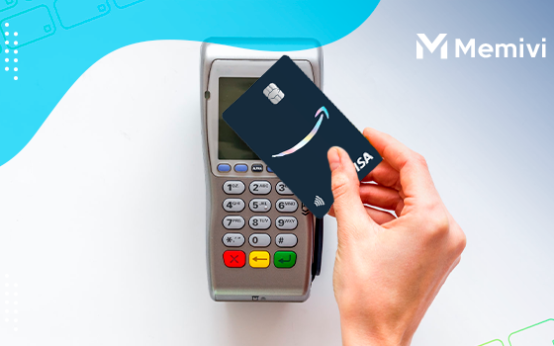 Deep Dive Into the Amazon Barclaycard Visa: Real Value or Just a Niche Perk? <p class='sec-title' style='line-height: normal; font-weight: normal;font-size: 16px !important; text-align: left;margin-top: 8px;margin-bottom: 0px !important;'> An in-depth guide to maximizing this Amazon-branded credit card and how it compares in real-world usage. </p>
 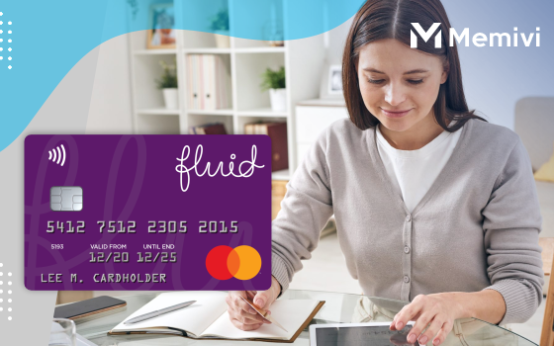 Advanced Guide to the Fluid Credit Card: Maximising Your 0% Balance Transfer Window <p class='sec-title' style='line-height: normal; font-weight: normal;font-size: 16px !important; text-align: left;margin-top: 8px;margin-bottom: 0px !important;'> A comprehensive look at how to use the Fluid Card effectively, avoid costly mistakes, and evaluate smarter alternatives for UK consumers. </p>