



The HSBC Purchase Plus Credit Card is more than just a tool for interest-free spending—it can be a strategic asset in managing personal finances, improving credit health, and even navigating economic uncertainty. This guide explores how to unlock its full potential and avoid common pitfalls.
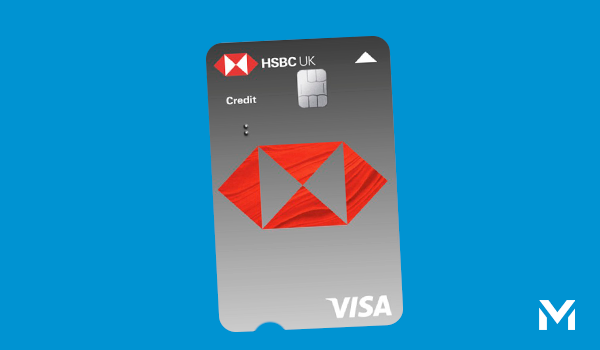
✅ Step-by-Step Guide: Using the HSBC Purchase Plus the Smart Way
1. Use the Interest-Free Period Strategically
The 0% interest on purchases for 20 months is a golden window—but only if used intentionally.
Best practices:
- Make a single large purchase (e.g., £1,000+ on furniture or travel) instead of many small transactions.
- Pay it off with a strict repayment schedule (e.g., divide by 20 months).
- Avoid spending beyond your means: this card is not for impulse buying.
2. Balance Transfers: What to Know Before Moving Debt
HSBC allows balance transfers up to 90% of your credit limit, interest-free for 17 months. But the 3.49% fee can bite if not calculated properly.
Pro tip: Use a balance transfer calculator before committing.
Example: Transferring £3,000 costs £104.70 in fees, but can save £350+ compared to a 22.9% APR store card.
3. Stay Clear of Cash Withdrawals
ATM withdrawals incur interest from day one, even during the promotional period, often with an additional 3% fee. Unless absolutely necessary, avoid using the card for cash.
🤔 Frequently Asked Questions (FAQs) — Not the Obvious Ones
1. Does applying for the card impact my credit score?
Yes, a hard inquiry is conducted. However, responsible use can improve your score over time by lowering your credit utilization ratio.
2. Can I make multiple purchases during the 20-month period?
Yes—but the interest-free clock starts from account opening, not purchase date. Spread purchases early in the period, not later.
3. Is there a maximum credit limit?
Limits are tailored based on your income and credit profile. Initial limits typically range from £1,200 to £6,000.
4. Can I combine the balance transfer and purchase offers?
Yes, but remember both periods run in parallel. Plan repayment carefully to avoid overlapping interest accrual.
5. Does it support Google Pay or Apple Pay?
Yes, the HSBC Purchase Plus Credit Card is fully compatible with contactless mobile wallets, making it ideal for modern payments.
6. Will I earn rewards or cashback?
No, this card does not include a rewards program. It’s optimised purely for interest-free value.
7. Can I pay off purchases early?
Absolutely, and it’s encouraged. Paying early reduces your credit utilization, which may boost your credit score.
8. What happens after the 20 months?
Any unpaid balances will accrue interest at 24.9% APR (variable). Consider setting calendar alerts 2–3 months before the promo ends.
9. Is the card suitable for business use?
No, this is a personal credit card, not intended for business expenses.
10. Can I upgrade to a rewards version later?
Yes, HSBC occasionally offers upgrade options to their Rewards Credit Card after consistent, responsible use.
🔐 Insider Hacks & Underrated Features
🔄 The “Soft Transfer” Technique
If your credit profile is borderline, start with a smaller balance transfer (e.g., £500). Once it posts and you prove reliable, HSBC may increase your limit after 6 months—opening room for larger transfers.
🔍 Leverage Section 75 Wisely
Using your card for expensive electronics, travel bookings, or event tickets can offer powerful legal protection—even if only part of the payment is made with the card.
📉 Maintain a 30% Utilization Ratio
To optimize your credit score:
- Spend no more than 30% of your available credit.
- Pay more than the minimum—ideally the full balance.
🧾 Combine with a Cashback Debit Card
Use the HSBC Purchase Plus for large interest-free purchases, and a cashback debit card like Chase UK or Monzo for everyday spending. It’s a dual-strategy for reward + control.
💰 How to Maximize Long-Term Value
- Use it during inflationary periods
Spreading costs across 20 months can be smarter than paying upfront during price surges. - Time purchases around seasonal offers
Combine the card’s 0% offer with Black Friday, January sales, or travel deals for exponential savings. - Pair with promotional cashback campaigns
HSBC occasionally launches targeted cashback offers. Opt-in through your account dashboard or HSBC UK app notifications.
🧩 Alternatives to Consider
| Card | Key Strength | Drawback |
| Barclaycard Platinum | 0% purchases for up to 21 months | Higher post-promo APR (25.9%) |
| MBNA Long 0% Purchase Card | Balance transfers up to 22 months | £0 rewards; limited mobile support |
| Virgin Money All Round Card | Good for travel; 0% on both for 18 months | £5 monthly fee applies after first year |
🧠 Final Thoughts: When This Card Isn’t the Best Fit
- If you frequently carry a balance beyond 20 months, a low APR card like the Tesco Bank Clubcard (low 19.9% APR) may be more cost-effective long term.
- If you’re after cashback or rewards, cards like the American Express Platinum Cashback Everyday offer 5% introductory cashback (up to £100).
📝 Conclusion
The HSBC Purchase Plus Credit Card is ideal for UK consumers who value financial control and predictable repayments, not for those chasing air miles or flashy perks. With its dual 0% interest windows, strong purchase protection, and no annual fee, it’s a solid backbone card in any credit strategy—especially during high-cost periods or planned expenses.
But it requires discipline. Miss a payment or ignore the promotional deadline, and the benefits vanish under a 24.9% APR cloud.For savvy spenders, however, it’s a rare chance to borrow interest-free for almost two years—a financial breathing space that, used wisely, pays off far more than rewards points ever could.

 How to Maximise the Value of the M&S Transfer Plus Mastercard <p class='sec-title' style='line-height: normal; font-weight: normal;font-size: 16px !important; text-align: left;margin-top: 8px;margin-bottom: 0px !important;'> Learn how to genuinely use this balance transfer credit card to cut interest costs while squeezing as much value out of it as possible. </p>
  Deep Dive Into the Amazon Barclaycard Visa: Real Value or Just a Niche Perk? <p class='sec-title' style='line-height: normal; font-weight: normal;font-size: 16px !important; text-align: left;margin-top: 8px;margin-bottom: 0px !important;'> An in-depth guide to maximizing this Amazon-branded credit card and how it compares in real-world usage. </p>
  Advanced Guide to the Fluid Credit Card: Maximising Your 0% Balance Transfer Window <p class='sec-title' style='line-height: normal; font-weight: normal;font-size: 16px !important; text-align: left;margin-top: 8px;margin-bottom: 0px !important;'> A comprehensive look at how to use the Fluid Card effectively, avoid costly mistakes, and evaluate smarter alternatives for UK consumers. </p>